


In semiconductor and advanced manufacturing environments, equipment decisions are never simple. New tools promise the latest technology, but they also come with high capital cost, long lead times, and operational disruption. This is why many manufacturers across Malaysia are increasingly turning to system refurbishment as a practical and strategic alternative.
System refurbishment is not about keeping outdated machines running at any cost. When done correctly, it is a structured engineering process that restores equipment performance, improves reliability, and extends usable life — often at a fraction of the cost of new procurement.
The Rising Cost of New Equipment
Modern semiconductor equipment is complex and expensive. Beyond the purchase price, manufacturers must account for:
- Long delivery timelines
- Installation and qualification delays
- Training and integration challenges
- Production downtime during transition
For many facilities, especially those running stable or mature processes, replacing equipment simply to “stay new” does not always make operational or financial sense.
What System Refurbishment Really Means
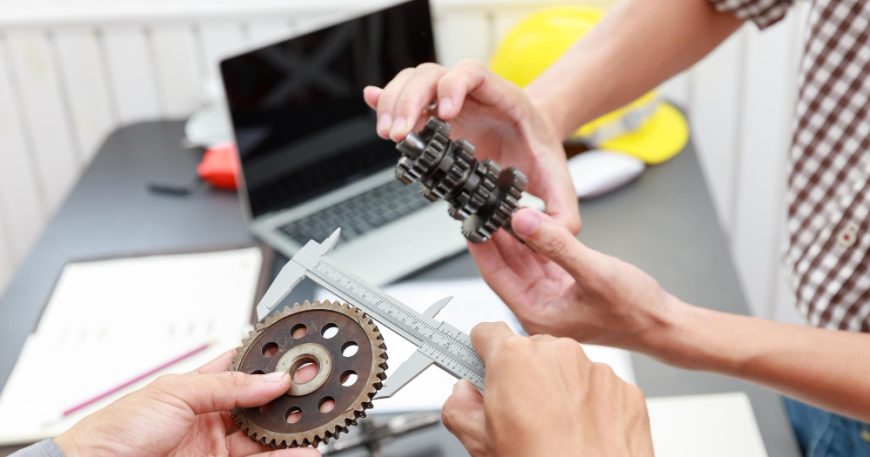
System refurbishment goes far beyond basic repair or cosmetic replacement. A proper refurbishment process includes:
- Detailed inspection and diagnosis
- Mechanical, electrical, and control system restoration
- Replacement or servicing of worn components
- Functional testing and validation
The goal is to return the system to stable, production-ready condition, aligned with real manufacturing requirements.
Key Benefits of Refurbishment
One of the biggest advantages of refurbishment is cost efficiency. Refurbished systems typically cost significantly less than new equipment, freeing up capital for other operational needs.
Equally important is time. Refurbishment lead times are usually much shorter than purchasing new tools, helping manufacturers avoid long production delays.
Refurbishment also supports operational continuity. Engineers and operators are already familiar with existing platforms, reducing retraining time and integration risk.
Supporting Sustainability and Asset Optimisation
Refurbishing existing systems supports sustainability by reducing waste and maximizing the value of existing assets. Rather than discarding equipment that is mechanically sound, refurbishment allows manufacturers to use resources more responsibly while maintaining performance.
A Practical Choice for Malaysian Manufacturers
Across Malaysia, many semiconductor and advanced manufacturing facilities operate a mix of mature and modern processes. System refurbishment allows these facilities to remain competitive without unnecessary capital expenditure.
When executed by experienced engineers, refurbishment is not a compromise — it is a strategic engineering decision that balances performance, cost, and reliability.